Makeup might seem like a straightforward art, but even professionals in the beauty industry occasionally slip up. Whether it’s a rushed morning routine, experimenting with new products, or simply following trends blindly, mistakes can happen. The good news is that these errors are often easy to fix once you know what to look for. Here’s a closer look at some common makeup mistakes even pros make—and how you can avoid them.
Skipping Skin Preparation
One of the biggest errors is neglecting proper skin prep. Even the most expensive foundation or the most precise eyeliner won’t look its best on dry, flaky, or oily skin. Some professionals might get so caught up in their makeup routine that they skip cleansing or moisturizing, assuming primer alone will suffice.
To avoid this, always start with a clean face. Apply a moisturizer suited to your skin type and let it absorb fully. If you have dry skin, consider using a hydrating primer, while those with oily skin may benefit from a mattifying primer. This step ensures your makeup has a smooth canvas, lasts longer, and doesn’t settle into fine lines or pores.
Applying the Wrong Foundation Shade
Even seasoned makeup artists sometimes grab the wrong foundation shade in a hurry. The result can be a mismatched face and neck, leaving a visible line that ruins the natural look. Choosing the right shade requires more than picking from the top of the bottle.
Test foundation on your jawline rather than the back of your hand, since it will match your face and neck better. Blend it well and check it in natural light whenever possible. If you can’t find a perfect match, mixing two shades can help create a custom tone that looks seamless.
Overdoing Contour and Highlight
Contour and highlight are essential for adding dimension, but applying too much can make even a professional look overworked. Heavy contour lines, especially on the cheeks or forehead, can appear muddy and unnatural under different lighting conditions.
The trick is to build slowly. Start with a light hand, then layer gradually until you achieve a subtle shadow effect. Blend carefully with a soft brush or beauty sponge. When it comes to highlight, focus on the high points of the face like cheekbones, brow bones, and the bridge of the nose, avoiding excess shimmer that can make skin look greasy.
Ignoring Eyebrow Shape
Eyebrows frame the face, yet even experts sometimes make the mistake of following trends instead of the natural shape. Over-plucking, over-filling, or creating too dramatic an arch can make your expression look harsh.
Instead, embrace your natural brow shape. Fill in sparse areas lightly with short, hair-like strokes, and use a spoolie brush to blend. The goal is to enhance, not transform, giving your face a balanced and harmonious look.
Misapplying Eyeliner
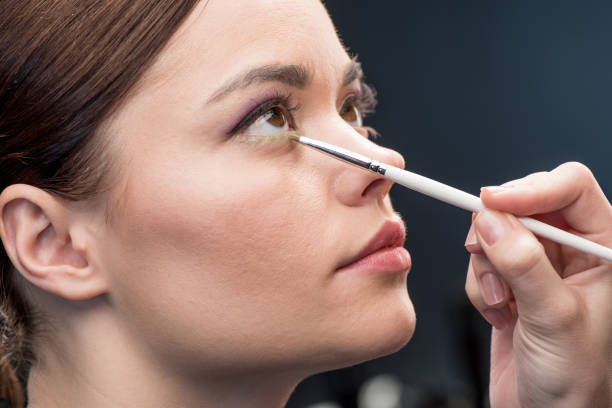
Eyeliner can elevate any look, but applying it incorrectly is a common pitfall. Thick lines, uneven wings, or smudging can detract from the overall appearance, and even pros can make these mistakes when rushing or trying new styles.
To prevent this, practice precision by starting with small strokes close to the lash line. Use a fine-tipped liquid liner for sharp lines or a pencil for a softer effect. Remember that symmetry is key, and it’s okay to adjust gradually instead of drawing one long line in a hurry. Smudging can be controlled with a clean brush or cotton swab dipped in makeup remover.
Neglecting Blending
Blending is where many makeup mistakes become obvious. Even if colors and products are perfect, poor blending can result in harsh lines, patchiness, or unnatural transitions. Pros sometimes overlook this step when they’re confident in their color choices.
Take time to blend foundation, concealer, eyeshadow, and blush. Use brushes or sponges in gentle, circular motions to create seamless transitions. Blending doesn’t mean losing definition; it’s about making the application look effortless and polished.
Using Too Much Powder
Powder is a makeup staple for setting products and controlling shine, but overuse can make skin look cakey. Professionals often rely on powders to prolong wear, but applying too much can emphasize texture and dryness.
A light dusting with a fluffy brush is usually enough. Focus on areas prone to shine, like the T-zone, and avoid layering excessively. For a more natural finish, consider using a setting spray instead of relying solely on powder.
Overlooking Lip Prep
Lips are often the finishing touch, but skipping prep can turn even a stunning lip color into a disaster. Chapped or dry lips can make lipstick appear cracked or uneven. Even makeup pros sometimes apply bold shades without exfoliating first, leading to a less-than-perfect result.
Exfoliate gently using a lip scrub or a soft toothbrush. Apply a thin layer of balm to hydrate and create a smooth base. Once your lips are prepared, your lipstick will glide on effortlessly and last longer.
Ignoring the Lighting
Even the most skilled makeup artist can make mistakes if they don’t check their work in proper lighting. Makeup can appear flawless under studio lights but look streaky or uneven in natural daylight.
Make it a habit to inspect your makeup under different lighting conditions before leaving the house. This can help you spot mismatched shades, unblended areas, or overly dramatic effects that need toning down.
Failing to Adjust for Skin Type and Climate
One-size-fits-all makeup rarely works perfectly. Professionals sometimes make the mistake of applying the same routine regardless of skin type, weather, or activity. Humidity can make powder cake, while dry air can accentuate flakes.
To avoid this, adapt your products to the conditions. Lightweight, hydrating formulas work better for dry climates, while long-lasting, oil-controlling products are ideal for humid days. Understanding your environment ensures your makeup remains fresh and comfortable.
Final Thoughts
Even professionals make mistakes, but the key is awareness and practice. By prepping your skin, choosing the right shades, blending properly, and adjusting to your environment, you can avoid these common pitfalls. Makeup is a personal form of expression, and small tweaks can make a significant difference. Learning from these errors not only improves your technique but also builds confidence in your own beauty routine.